West Africa’s Plastic Ban Is Now Real: How to Turn It Into Profit With a Paper Bag Making Machine
Published 10 October 2026 · Wenzhou Tuowei Packaging Machinery Co., Ltd. (TWMACHINE)
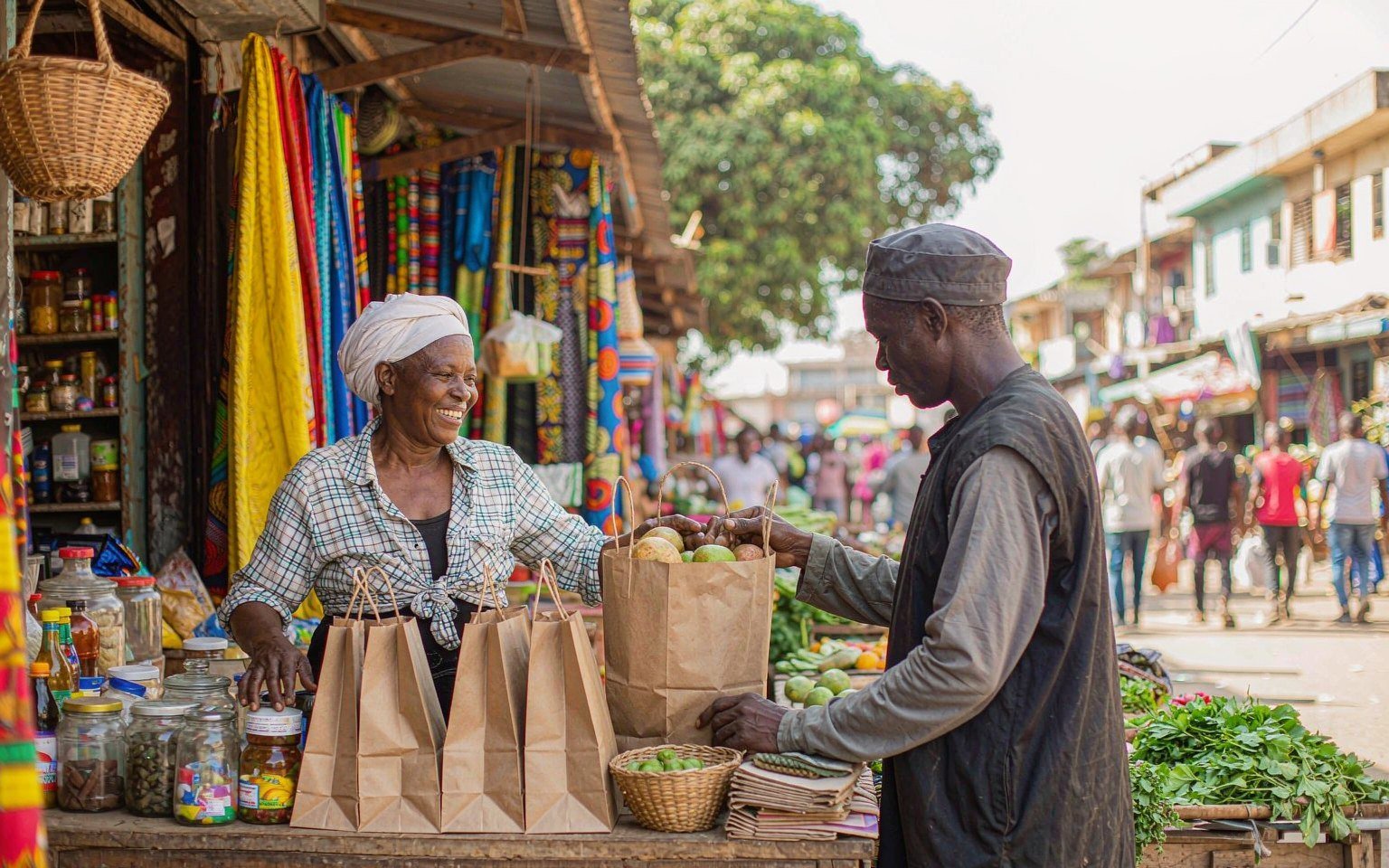
On 20 September 2026, Guinea finished what it started two years earlier. The manufacture, import, sale, commercial holding and use of single-use plastic bags, water sachets, straws, cups and polystyrene containers became illegal across the country. Customs and inspection services were given power to seize stock at the border and at the factory gate, and penalties range from fines to confiscation, destruction or forced re-export. The scope of the measure covers carrier bags, water sachets, straws, cups, plates and polystyrene trays — with PET bottles and medical, agricultural and military packaging exempted.
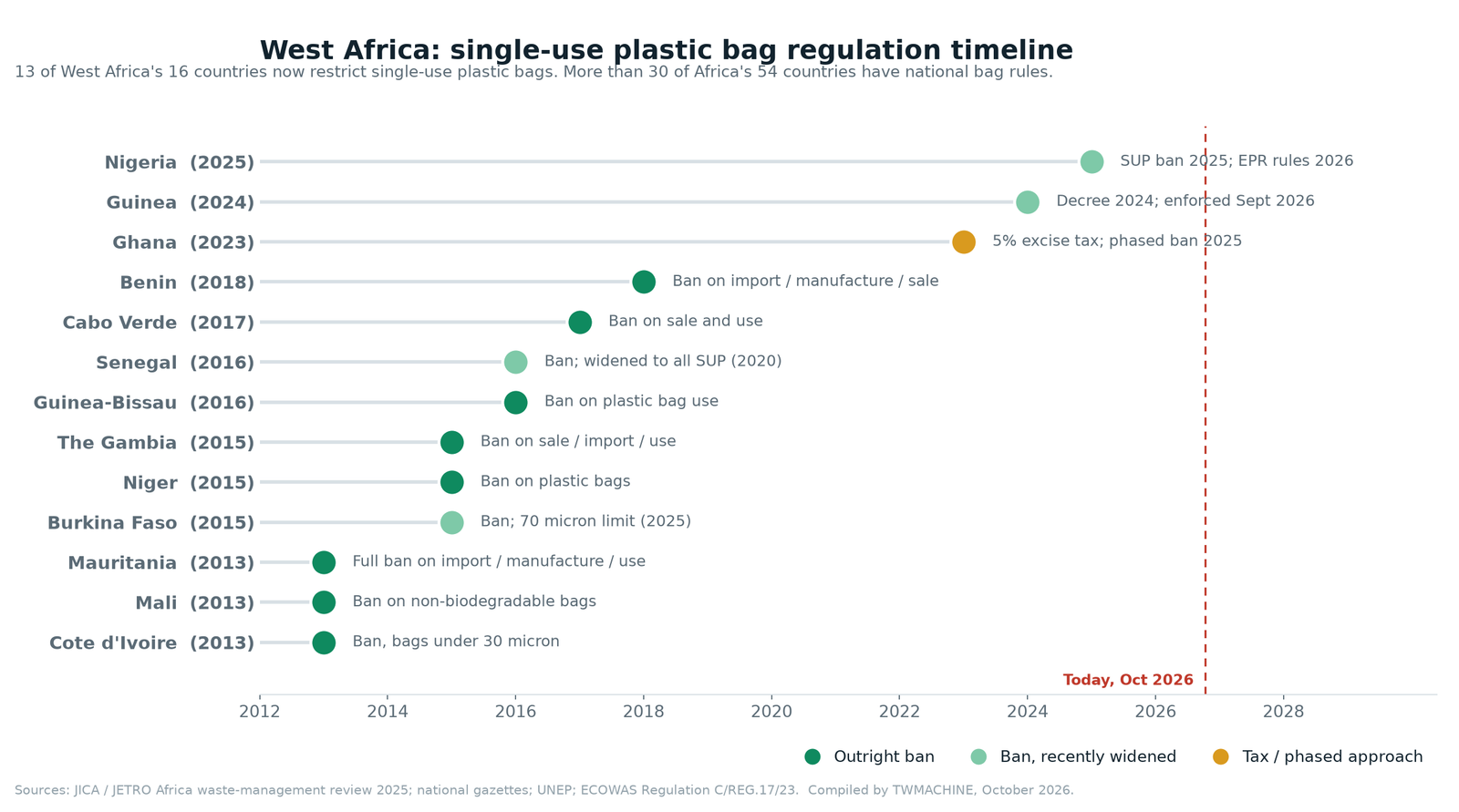
Guinea is not an outlier. It is the newest member of the club.
Nigeria’s nationwide single-use plastic ban has been in force since January 2025, and NESREA’s National Environmental (Plastic Waste Control) Regulations 2026 now push producers, importers and retailers into extended producer responsibility, with recycled-content targets applying from January 2028. Ghana added a 5% excise duty on plastic packaging and began a phased ban on disposable plastics from airports, supermarkets and universities, enforced through the Environmental Protection Authority. Burkina Faso’s Law 045-2024 tightened its threshold to 70 microns in 2025. Senegal widened its 2016 ban into a full single-use plastics law in 2020. Côte d’Ivoire, Mali, Mauritania, Benin, The Gambia, Niger, Guinea-Bissau and Cabo Verde all have national bag bans on the books.
At regional level, ECOWAS Regulation C/REG.17/23 is doing the work that individual states could not: harmonising standards across the bloc and calling for common rules on the manufacture, importation and sale of the most problematic single-use items. The ECOWAS Parliament‘s joint committee on agriculture, environment and infrastructure has pushed member states to implement it faster, on the grounds that Africa is already the second-largest source of river-borne ocean plastic after Asia — a point made in the ECOWAS Commission‘s own environment reporting.
Here is what that means for anyone selling packaging in Lagos, Accra, Abidjan, Dakar, Conakry, Cotonou or Ouagadougou:
Demand for paper bags in the region is now structural, not seasonal. Every supermarket, bakery, quick-service restaurant, pharmacy, boutique and hotel has to hand the customer a bag that is not plastic. Finished paper bags imported from Asia carry freight, duty and weeks of lead time, and the price rarely survives the local market. The durable answer is local production — and local production starts with one machine.
What the regulation actually says, country by country
If you are planning capacity, the details matter more than the headlines. Bans differ sharply on thresholds, exemptions and enforcement dates.
| Country | Instrument | Status in October 2026 |
|---|---|---|
| Guinea | Decree D/2024/0172/PRG + joint order of 10 Sept 2024 | Full enforcement since 20 Sept 2026. Bags, sachets, straws, cups, plates and polystyrene containers banned. PET bottles and medical/agricultural packaging exempt. |
| Nigeria | Federal SUP ban (Jan 2025); NESREA Plastic Waste Control Regulations 2026 | Styrofoam, cutlery, straws and light bags banned; bags under 80 microns regulated; EPR registration and 25% recycled PET from Jan 2028. |
| Ghana | Excise Duty (Plastic Packaging) Amendment 2023; Environmental Protection Act 1124 (2025) | 5% excise on plastic packaging; phased SUP ban from 2025 starting with airports, supermarkets and universities. |
| Burkina Faso | Law 045-2024/ALT | In force since 9 Jan 2025; grace period ended 9 July 2025. Threshold tightened to 70 microns; environmental police inspecting nationwide. |
| Senegal | Law 2020-04 (replacing Law 2015-09) | Extended SUP ban, EPR obligations, economic instruments. Plastic cups already displaced by paper and board. |
| Côte d’Ivoire | Decree of May 2013 | Bans non-biodegradable bags under 30 microns from production, import, sale and possession. |
| Mali / Mauritania | National bans, 2013 | Import, manufacture, sale and use restricted; enforcement has varied with border control capacity. |
| Benin, Niger, The Gambia, Cabo Verde, Guinea-Bissau | National bans, 2015–2018 | Bans on import, manufacture, sale and use. The Gambia’s National Action Plan targets an 86% cut in plastic pollution by 2033. |
Sources: national gazettes; JICA / JETRO review of waste management in Africa (2025); FAOLEX – The Gambia National Action Plan; ECOWAS Regulation C/REG.17/23.
The numbers behind the switch
Three sets of figures explain why this is a machine business and not just a policy story.
1. The machine market is small enough to enter and big enough to matter
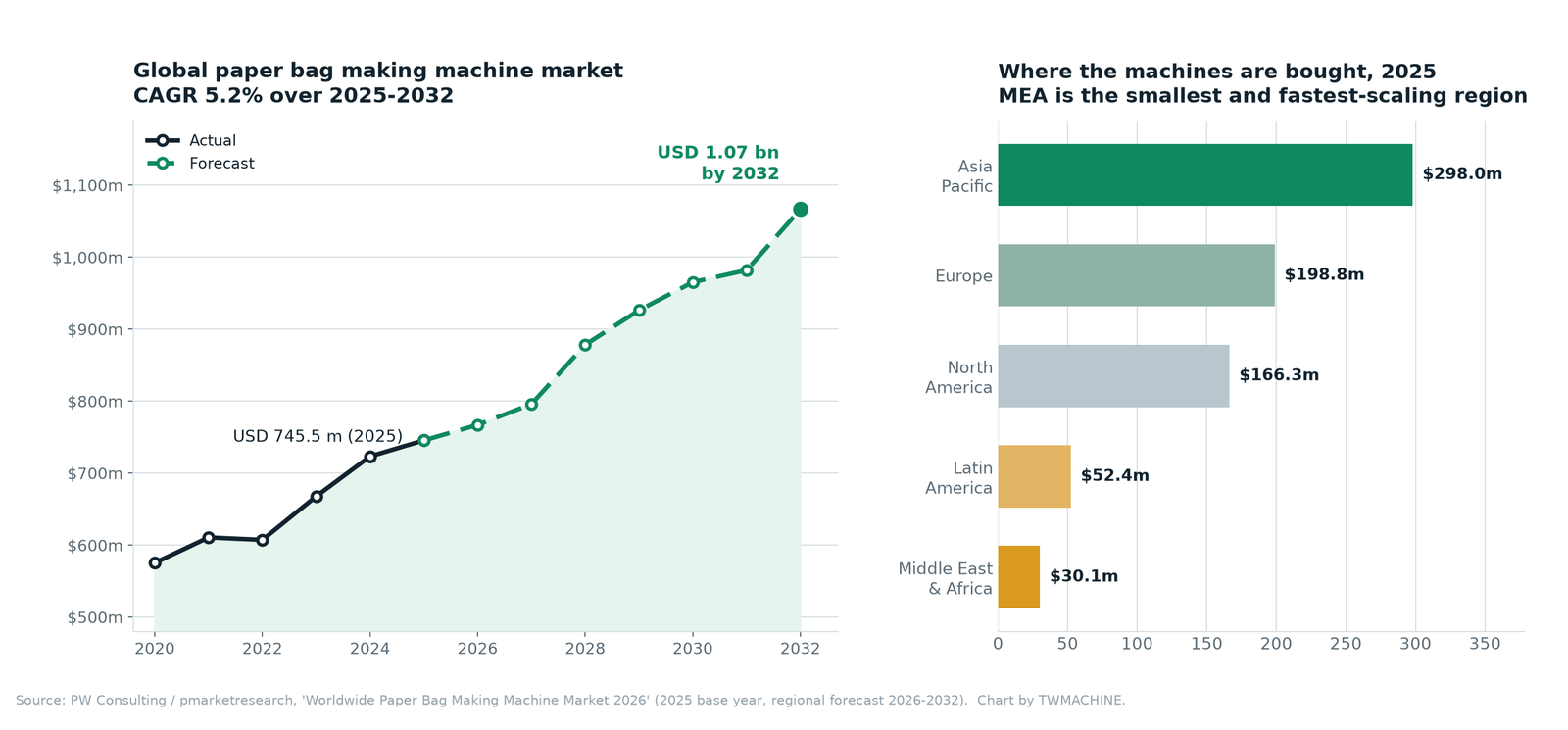
The global paper bag making machine market was worth USD 745.5 million in 2025 and is forecast to reach USD 1.07 billion by 2032, a compound annual growth rate of 5.2%. Within that, the Middle East & Africa region accounted for only USD 30.1 million — the smallest slice of any region, which is exactly why it is the least saturated. Asia Pacific (USD 298.0m) and Europe (USD 198.8m) are already crowded with capacity. West Africa is not.
Upstream, the material is growing just as fast. The global kraft packaging market was valued at USD 45.21 billion in 2025 and is projected to reach USD 68.77 billion by 2034, with the Middle East & Africa segment expected to expand at roughly 7% a year as retail and foodservice scale. The wider packaging paper market is heading towards USD 280 billion by 2026, driven explicitly by plastic-replacement mandates and e-commerce volumes in markets including Nigeria and Kenya.
2. The regulation is global, so the supply chain is getting crowded — and more expensive
The world produces more than 400 million tonnes of plastic every year, and less than 10% of it is ever recycled. Plastic makes up 85% of marine litter, and global plastic waste generation is still rising — the trend line is documented in Our World in Data’s plastic pollution tracker. Over 120 countries now regulate plastic bags in some form, and UNEP’s plastic pollution programme is actively supporting 15 countries to phase out single-use packaging in food and beverage. When UNEP helps design a national packaging register — as it is doing in Nigeria — the informal era of cheap plastic ends.
The practical consequence for a West African converter: the window to lock in machine capacity at today’s prices closes as regional demand converges on the same equipment. Lead times and prices on kraft paper grades move with that demand.
3. The raw material is available and printable
Kraft paper is unbleached, strong, food-safe and — crucially for a brand — printable. A bakery in Lagos, a supermarket in Accra and a pharmacy chain in Dakar all want their logo on the bag, because in a market where plastic is disappearing, the bag is now the most-seen piece of advertising a shop owns.
Why paper wins over “biodegradable plastic”
Governments keep the door open for certified biodegradable alternatives. In practice, three things push buyers towards paper:
- Verification. Customs officers cannot test whether a container of “biodegradable” bags is actually biodegradable. Paper they can see, feel and burn-test. In enforcement terms, paper is the low-risk choice.
- Consumer trust. In Conakry, consumers told local media they supported the ban but wanted alternatives that stayed affordable. A brown paper bag reads as compliant at a glance; a thin plastic bag that “looks” compliant does not.
- Infrastructure fit. Ghana’s own policy debate makes the point bluntly: paper bags and cardboard packaging are biodegradable, widely available, and — unlike plastic film — do not block drains when they are discarded.
The machine line you actually need
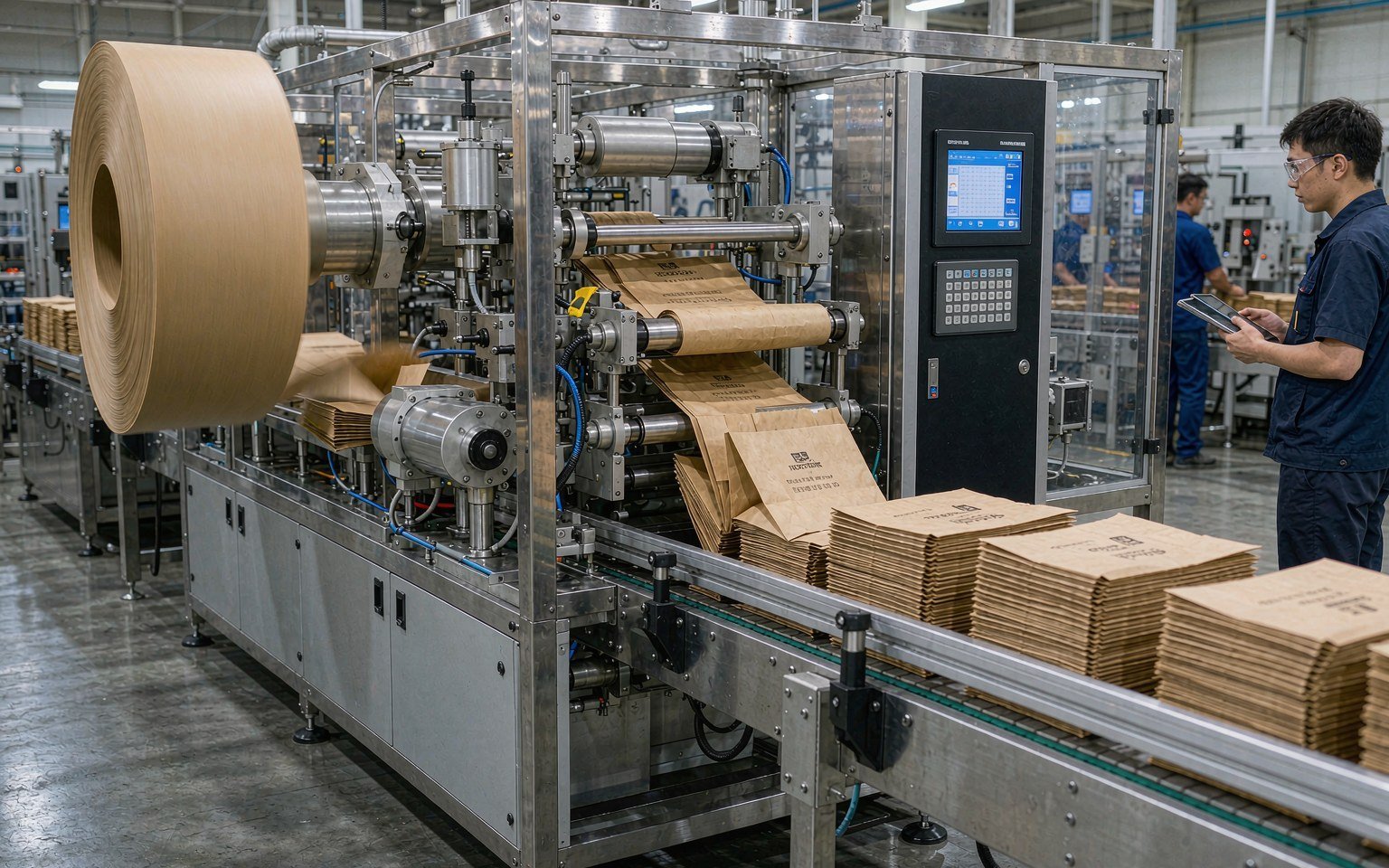
A paper bag plant is not one machine. It is a short line, and the configuration depends entirely on which bag you intend to sell. Here is how the product families map onto real West African demand.
V-bottom paper bag machines — the food and bakery workhorse
The interruptive V-bottom machine is the fastest way into the food market: bread, baguettes, snacks, pastries, street food. Three models cover the water:
| Model | Bag length | Bag width | Paper | Speed | Power | Weight |
|---|---|---|---|---|---|---|
| JD400 | 110 – 480 mm | 70 – 260 mm | 40 – 80 g/m² | 40 – 650 pcs/min | 6 kW | 2,000 kg |
| JD650 | 220 – 650 mm | 80 – 350 mm | 40 – 80 g/m² | 40 – 600 pcs/min | 8 kW | 4,300 kg |
| JD850 | 140 – 750 mm | 70 – 450 mm | 40 – 80 g/m² | 60 – 400 pcs/min | 10 kW | 5,000 kg |
All three run on 380 V / 50 Hz / 3-phase — the same supply you find in Nigeria, Ghana, Côte d’Ivoire and Senegal — and the voltage can be built to your market on request. Control is Siemens PLC with Yaskawa servo drive, so bag length is set on a touchscreen rather than by changing gears.
See the V-bottom paper bag machine specifications and running video →
Sharp-bottom and square-bottom machines — retail and takeaway
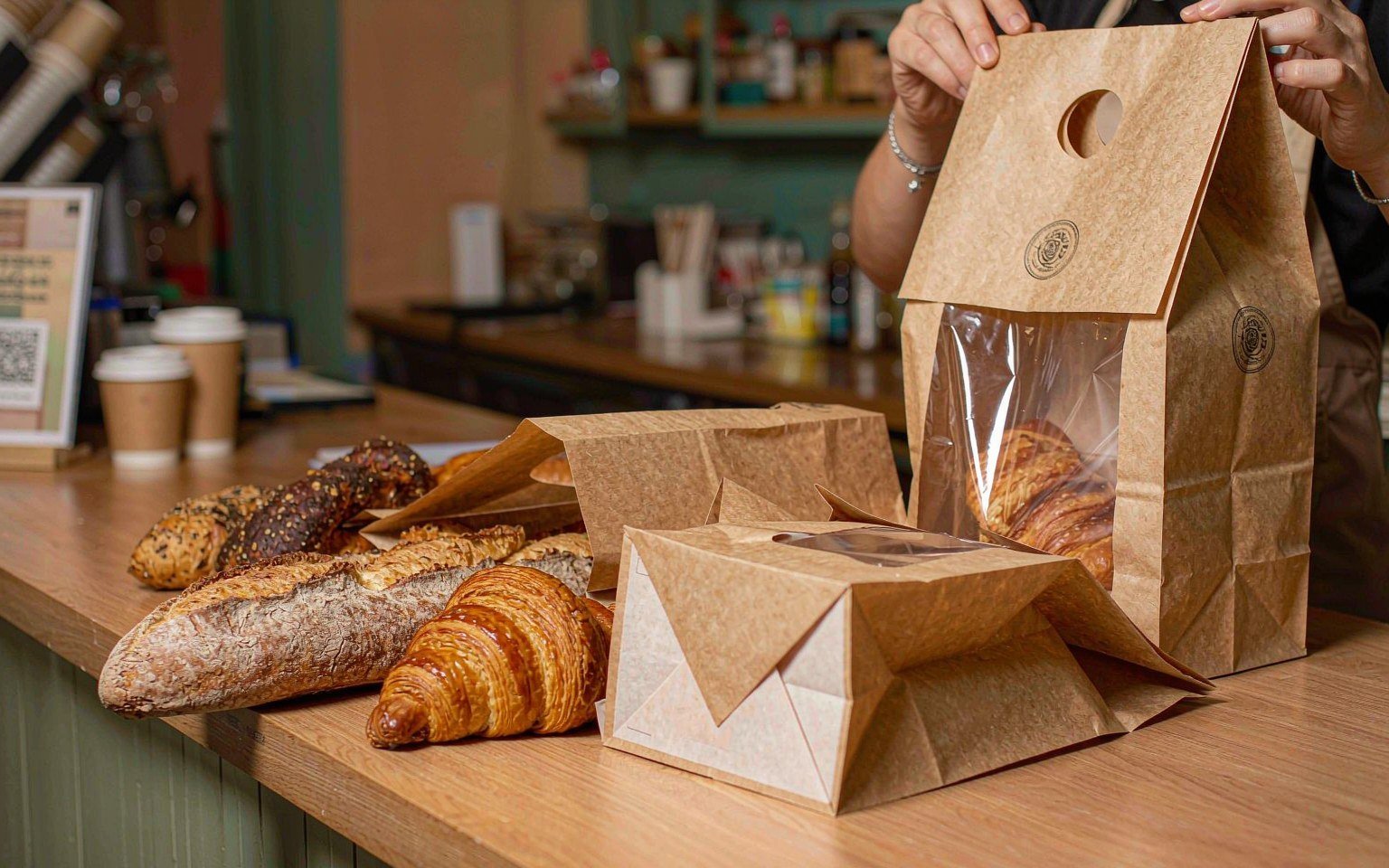
- Pre-cut sharp-bottom paper bag machine — sheet-fed, with an optional clear window. This is the bakery and snack bag that shows the product. Buyers who already print sheets locally love it because the artwork is done before the paper ever reaches the machine.
- Square-bottom (satchel) paper bag making machine — roll-fed, with automatic gluing and counting. Square-bottom bags stand up on the counter, which is why grocery, takeaway and pharmacy chains standardise on them.
- Square-bottom machine with inline 4-colour printing — print and convert in a single pass. One operator, one line, branded bags out the end. This is the highest-margin configuration for a converter selling to retail chains.
Handle machines — the supermarket and boutique segment
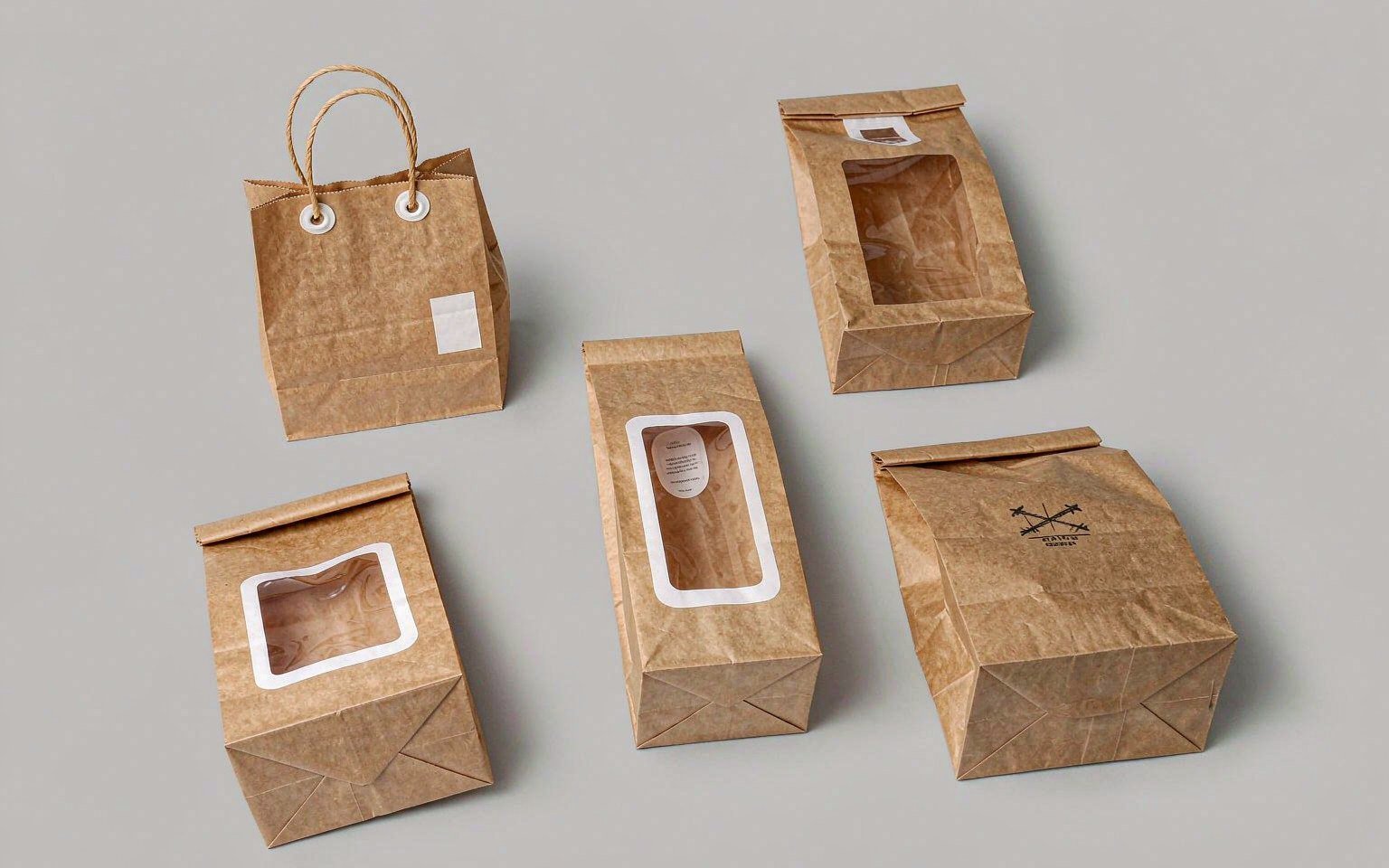
Once a bag carries weight, it needs a handle, and handles are where paper bag makers make their margin.
- Fully automatic paper bag machine with handle — automatic handle attaching, with a switch between twisted paper handles and flat handles. This is the machine behind the bags you see in supermarkets, boutiques and food halls.
- Automatic paper handle making machine — produce handles as a standalone product. Many converters buy this first: it needs less capital, it feeds their own bag lines, and it sells to every other bag maker in the region as a semi-finished good.
Finishing: printing, slitting and sheeting
If you print your own paper, you will also want the upstream and downstream kit: a 4-colour flexo printing machine that runs inline with the bag line, plus slitting and rewinding machines and roll-to-sheet cutters to take master rolls down to the width your bags need. Buying the line as one project — rather than machine by machine — is what keeps paper waste and changeover time under control.
What decides your payback
Four numbers decide whether a paper bag line pays for itself quickly. Get these right on paper before you buy anything.
- Throughput. A V-bottom machine running at a working rate of 200–250 bags per minute on one shift produces roughly 100,000–120,000 bags a day at 60% efficiency. Even at a quarter of that, one machine outruns most regional demand.
- Paper cost per bag. Take the paper grammage, the finished bag area and the current kraft price per tonne. A food-grade kraft bag typically needs 1.5–3 g of paper.
- Conversion cost. Glue, electricity and labour. On a servo-driven line, energy is a small share of unit cost; labour is one operator plus a packing hand.
- Selling price. Walk your own market and price the imported kraft bags already on the shelf. That number, minus the three above, is your gross margin — and it is usually wider than buyers expect, because they are replacing imported bags with freight and duty baked in.
As an illustration only, a machine that clears 100,000 bags a day at a gross margin of a few cents per bag runs into five figures of daily gross profit at full utilisation. Treat that as a framework, not a quote: substitute your own paper price, wage rate and selling price. Any serious supplier will build this model with you before you commit — ask them to.
How to choose a paper bag machine supplier
The machines in this segment are similar in outline and very different in detail. Five questions separate a supplier you can build a business on from one you cannot.
- Is it a factory or a trading company? TWMACHINE designs, welds, machines, assembles and tests every line in its own 8,000 m² plant in Ruian, Zhejiang — China’s packaging machinery base — and has done since 2008, at more than 500 machines a year.
- Will they run your material? Every machine is assembled, wired and run-tested with the buyer’s own kraft paper before it is loaded. Ask for the test video with your material in it. We send it.
- Do they supply the whole line or one box? Film blowing, flexo printing, bag converting, slitting, sheeting and recycling from one factory, matched as one project. That matters when paper waste and changeover time are what decide your cost per bag.
- What is the delivery and support reality? Standard machines ship in around 30 days, customised builds in 40–60 days. Spare parts and 24/7 remote support are included, and operators are trained during commissioning.
- Is the price honest? Vietnam-grade components at a European price is a bad deal. Our position is the opposite one: factory-direct pricing and a deliberately cost-effective configuration, so the machine recovers its own cost quickly in a market as price-sensitive as West Africa.
Download the full TWMACHINE machine catalogue → · Paper bag machine series PDF (JD400 / JD650 / JD850) →
FAQ: paper bag machines for West Africa
How much does a paper bag making machine cost?
Price scales with bag size, speed, automation and whether handles are attached automatically. A roll-fed food bag machine and a fully automatic handle-on shopping bag machine sit at very different price points, so no honest supplier quotes a single figure. Send your bag width × length × gusset and a target output in pieces per minute, and you will get a real FOB or CIF price against a named model.
What is the best paper bag machine for a bakery in Nigeria or Ghana?
A V-bottom machine (JD400 or JD650) for bread, baguettes and snacks, or a pre-cut sharp-bottom machine with a window if you want the product visible. Both run standard food-grade kraft at 40–80 g/m², which is stocked locally across the region.
Do I need a separate printing machine to put my logo on the bag?
Only if you want it in-house. You can buy pre-printed paper, or buy a square-bottom machine with inline 4-colour flexo printing and print-and-convert in one pass. The inline option removes a whole outsourcing step and is the configuration most supermarket suppliers choose.
What power supply does the machine need?
380 V / 50 Hz / 3-phase as standard — the same supply as Nigeria, Ghana, Côte d’Ivoire, Senegal and most of ECOWAS — and built to your local voltage on request.
How fast can a paper bag machine produce bags?
40–650 pieces per minute for V-bottom food bags, and 40–600 pcs/min on the larger JD650. Real output depends on paper quality, bag size and how well the line is set up, which is why commissioning and operator training are part of the package.
Can one machine make different bag sizes?
Yes. Bag length and width are set on the touchscreen within the model’s range, so one machine covers a product family rather than a single SKU. If your range spans food bags and handled shopping bags, plan two machines — but start with one and add capacity as the market converts.
Sources and further reading
- Guinea bans single-use plastic bags, cups and straws — Bénin Web TV
- Nigeria tightens war on plastic waste, makes producers responsible for end-of-life products — allAfrica / This Day
- National Environmental Standards and Regulations Enforcement Agency (NESREA), Nigeria
- Reducing single-use plastics as flood mitigation strategy — Graphic Online, Ghana
- Environmental Protection Authority, Ghana
- ECOWAS Parliament — Regulation C/REG.17/23 and plastic waste harmonisation
- UNEP — plastic pollution and the global plastics treaty process
- Our World in Data — plastic pollution
- Overview of Waste Management in Africa — JICA / JETRO analysis, 2025
- National Action Plan to End Plastic Pollution in The Gambia — FAOLEX
Talk to the factory
Send us the bag you want to make — width × length × gusset, paper grammage, and target output — and our engineers will come back with a model selection, a layout drawing and an FOB price within 24 hours. If you are still deciding, we will build the payback model with you first.
Wenzhou Tuowei Packaging Machinery Co., Ltd. (TWMACHINE)
- Website: www.twmachine.cn
- Email: sh****@*****ee.com (Shiner Wu)
- WhatsApp / Hotline: +86 137 3690 0583
- Tel: +86 577 5891 7337
- Contact: Shiner Wu (Export Manager)
- Address: No. 255 Road, Dongshan Economic Developing Zone, Ruian, Wenzhou, Zhejiang, China
- Made-in-China store: cuttingmachine.en.made-in-china.com
TWMACHINE — manufacturing paper bag machines, film blowing lines, flexo printing machines, slitting and sheeting equipment in Ruian, China since 2008. Machines shipped to 16+ countries across five regions.
Comments are closed